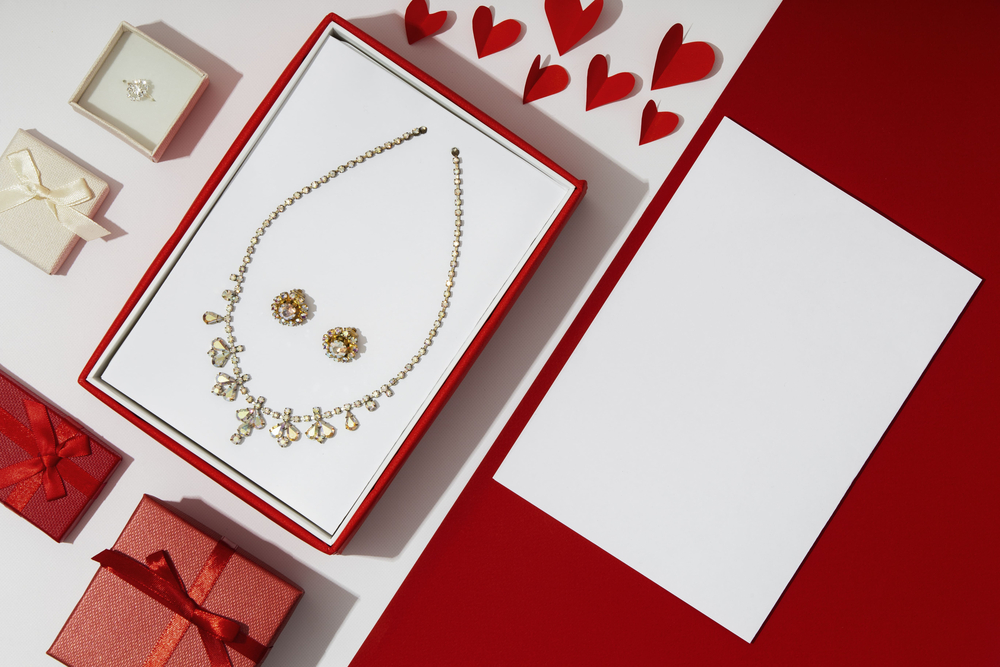
Why Your Xiaohongshu Luxury Ads Fail: Top 7 Pitfalls Destroying ROI
In the rapidly evolving digital landscape, Xiaohongshu ads have become a pivotal tool for luxury brands seeking to connect with China's affluent and trend-conscious consumers. Recent data reveals that 62.3% of Xiaohongshu users develop an interest in luxury goods by age 22, with Gen Z (post-1995) making up nearly half of the platform's luxury audience. This shift underscores the importance of understanding and leveraging Xiaohongshu advertising strategies—where aspirational content, community-driven trust, and seamless e-commerce integration converge.
Brands like Converse and New Balance have already demonstrated success by aligning with platform trends, from music-driven storytelling to retro fashion revivals. As luxury consumption grows increasingly youthful and digital-first, marketers must refine their Rednote ads and other platform-specific tactics to engage high-potential consumers effectively. This article explores the key dynamics of luxury marketing on Xiaohongshu, offering actionable insights for brands aiming to thrive in this competitive space.

1. Understanding the Luxury Consumer Landscape on Xiaohongshu
1.1 Demographic Breakdown of Luxury Consumers
Xiaohongshu’s luxury user base is distinctly young: 59.1% of post-2000 Gen Z users show interest in luxury before turning 18. While high-tier cities remain the primary market, rising disposable income among young consumers in lower-tier cities unlocks significant untapped potential for targeted Xiaohongshu ads. The audience segments clearly into three groups: 19.2% are core consumers (frequent purchasers with strong brand loyalty), 44.5% are high-potential buyers (occasional purchasers driven by trends or occasions), and 36.3% are strong-interest potential users in the discovery phase. This stratification demands tailored strategies to address each stage of the consumer journey, from initial awareness to repeat purchases.
1.2 Behavioral Patterns: Early Interest and Purchase Frequency
Luxury engagement on Xiaohongshu follows a prolonged pre-purchase cycle, with users exploring content, comparing products, and seeking peer recommendations long before buying. Overt sales messaging fails here—brands must nurture interest through content that balances aspiration with education, supported by targeted Xiaohongshu advertising. Strong-interest potential users rely on styling guides and brand stories to build familiarity; high-potential buyers respond to limited-edition launches and exclusive offers; core consumers crave behind-the-scenes insights and community recognition. Aligning tactics with these behaviors is critical to fostering long-term loyalty and consistent conversions.
1.3 Content Preferences: Key Categories and Engagement Triggers
Bags, watches, and jewelry dominate luxury discussions, but the most engaging content blends product utility with lifestyle context. Users prioritize authentic reviews (from consumers and niche influencers), visual styling guides, and humanizing brand narratives that add emotional depth. New Balance’s success with its 9060 retro sneakers exemplifies this: integrating the shoes into cycling and urban exploration content—aligning with Xiaohongshu’s Y2K revival—resonated deeply. Amplifying such contextually relevant content through Rednote ads significantly boosts reach among high-intent users searching for retro fashion inspiration, driving both engagement and purchase intent.
2. Leveraging Platform Dynamics for Luxury Branding
2.1 Xiaohongshu's Unique Ecosystem: Community-Driven Trust
Unlike transactional platforms, Xiaohongshu thrives on peer recommendations and authentic storytelling. Users trust niche influencers (KOCs) with 10k-100k followers more than traditional celebrities, as KOC content feels genuine and relatable. This grassroots advocacy is invaluable for luxury brands, which struggle to balance exclusivity and approachability. Converse leveraged this by collaborating with indie musicians, aligning with Xiaohongshu’s vibrant music community. Musician-generated content—showcasing shoes in live performances and rehearsals—fostered genuine connections, with Xiaohongshu advertising tools extending reach to interested users.
2.2 Case Study Insights: Aligning with Trends
Successful brands ride platform trends while retaining core identity. New Balance capitalized on Y2K and retro outdoor trends with its "Retro Cycling Party" campaign, merging 9060 dad shoes with cycling culture. Using the KFS (KOL+Feeds+Search) model—KOLs seeded content, Feeds ads targeted relevant users, and Search optimization ensured visibility—supported by Rednote ads, the campaign drove 300% higher post engagement and a tenfold sales spike. Similarly, Converse’s music variety show "Love Whispers" used musician-created content to generate 110M+ impressions, strengthening its indie culture association.
2.3 Platform Tools: KFS and Dandelion Partnerships
The KFS model creates a closed loop: KOL seeding for broad reach, Feeds ads for targeted visibility, and Search optimization for intent-driven discovery. Complementing this, the Dandelion program enables collaboration with micro-influencers for authentic UGC, with real-time feedback enabling rapid content refinement. Luxury snack brand Sabre Cookies used Dandelion alongside Xiaohongshu ads to test themes like holiday gifting and daily indulgence. Optimizing based on user feedback, it achieved 100% higher search volume and 168% sales growth in one month, highlighting the power of these tools when strategically deployed.

3. Strategic Content Frameworks for High-End Brands
3.1 Storytelling Through Lifestyle Integration
Luxury brands must weave products into aspirational lifestyle narratives to resonate. Consumers buy not just products, but the experiences and identities they represent. New Balance’s retro sneakers gained traction by aligning with urban exploration and cycling—activities popular with young users. Converse tied its identity to indie music via intimate, unscripted content. The "cycling + retro fashion" framework proves that lifestyle alignment drives engagement, especially when paired with targeted Xiaohongshu advertising campaigns that amplify reach to relevant audiences.
3.2 Tiered Influencer Partnerships
A balanced, tiered influencer strategy delivers both credibility and scale—critical for luxury brands. The optimal pyramid model includes: top-tier industry experts/macro-influencers (1M+ followers) to build authority; mid-tier niche creators (100k-1M followers) to showcase products in relatable scenarios; and KOCs (10k-100k followers) to drive authentic word-of-mouth. Sabre Cookies executed this effectively: food critics validated luxury quality, lifestyle KOCs demonstrated usage (e.g., afternoon tea pairings), and macro-influencers amplified reach via Rednote ads and organic collaborations. This multi-layered approach builds trust across the entire consumer journey.
3.3 Data-Driven Optimization
Data analytics is foundational to effective Xiaohongshu marketing, enabling real-time strategy refinement. Key metrics include engagement rates (likes, comments, shares), search volume uplift, click-through rates (CTR), conversion rates, and share of voice (SOV). Xiaohongshu’s built-in tools reveal top-performing content themes, formats, and keywords. Sabre Cookies used these insights to pivot from underperforming holiday content to "daily luxury" themes, adjusting Rednote ads targeting accordingly. This iterative refinement drove a 150% SOV increase and 28% higher conversion rates, underscoring the value of data-driven decision-making.
4. Omnichannel Activation for Maximum Impact
4.1 Online-to-Offline Synergy
Xiaohongshu excels at bridging digital engagement with physical experiences. Converse used Xiaohongshu H5 campaigns to drive users to offline pop-ups, where attendees interacted with musicians and customized shoes—turning digital buzz into tangible experiences. New Balance linked its "Retro Cycling Party" digital content to offline group rides, offering exclusive in-store perks (free drinks, limited stickers) for Xiaohongshu check-ins. Xiaohongshu advertising targeted users in specific geographic areas with an interest in retro fashion or outdoor activities, driving precise traffic to offline events.
4.2 Closed-Loop E-Commerce
Seamless e-commerce integration shortens the purchase path. Brands should embed product links in notes, optimize Xiaohongshu Mall listings for search, and use "shopping notes" (product-focused content with direct purchase links) to drive conversions. New Balance’s 9060 campaign exemplified this: Feeds ads and Rednote ads linked directly to the product page, reducing friction for intent users and spiking sales tenfold. This closed-loop approach, combining trend-aligned content with seamless commerce, maximizes conversion potential.
4.3 Seasonal/Trend-Based Campaigns
Capitalizing on seasonal trends and platform fads ensures content relevance. Xiaohongshu’s trend cycle moves quickly—from Y2K to retro cycling, minimalist to maximalist styling—so brands must be agile. Sabre Cookies launched holiday-themed content ahead of Chinese New Year, leveraging Xiaohongshu’s "gifting guide" trend and amplifying via targeted ads. New Balance timed its cycling campaign to spring, aligning with surging outdoor content. By tying campaigns to trends, brands tap into existing user interest, boosting engagement and conversion rates.
5. Measuring Success and Iterating Strategies
5.1 Key Performance Indicators
Luxury brands should track both brand-building and conversion KPIs. Brand metrics—exposure, search volume growth, sentiment analysis, SOV—measure awareness and credibility. Conversion metrics—CTR, add-to-cart rate, sales—quantify action-driven results. New Balance’s 40% month-over-month search increase for the 9060 sneakers and Sabre Cookies’ 168% sales surge demonstrate the value of balancing these goals. A holistic KPI framework ensures marketing delivers short-term conversions and long-term brand equity.
5.2 Leveraging Xiaohongshu Analytics
Xiaohongshu’s analytics tools provide granular insights into user behavior and content performance. Sentiment analysis reveals how users perceive content, enabling quick pivots. User behavior tracking—time spent on notes, click paths, repeat engagement—identifies high-resonance content. Sabre Cookies used Dandelion’s analytics to discover "afternoon tea pairing" notes drove 2x more engagement than holiday content, guiding Rednote ads targeting. Leveraging these tools turns data into actionable insights for strategy refinement.
5.3 Adaptive Refinement
Continuous iteration via A/B testing and feedback loops is essential. Brands should test content formats (video vs. graphic notes), messaging themes (lifestyle vs. product-focused), and targeting parameters (interest vs. demographic). For example, A/B testing may reveal video content has higher CTR than static images, or behavior-based targeting outperforms age-based targeting. Treating each campaign as a learning opportunity allows brands to adapt to evolving user preferences and platform dynamics, ensuring long-term effectiveness.

6. Pitfalls to Avoid in Luxury Marketing
6.1 Over-Commercialization Risks
Xiaohongshu’s community values authenticity above all—overly promotional content alienates users and erodes trust. Luxury brands must balance sales messaging with valuable content (brand stories, styling tips, behind-the-scenes glimpses) that adds user value. Even Xiaohongshu ads should feel organic, blending with UGC and integrating product links non-intrusively. Prioritizing community trust over short-term sales drives deeper, more sustainable engagement.
6.2 Audience Misalignment
Influencers and content must align with a brand’s luxury positioning and target audience. Converse’s indie musician collaborations succeeded because they matched its streetwear identity and Xiaohongshu’s music community. A high-couture brand partnering with fast-fashion influencers would dilute its luxury appeal. Brands must vet influencers carefully to ensure their audience, aesthetic, and values align with the brand’s core identity.
6.3 Trend Fatigue
While trends drive short-term engagement, luxury brands rely on timeless narratives—heritage, craftsmanship, exclusivity—to build long-term equity. Over-reliance on fleeting fads leads to trend fatigue and erodes brand identity. The solution is balancing trend-driven content with evergreen brand stories. For example, a luxury watch brand could tie retro trends to its artisanal manufacturing heritage, creating content that feels timely yet authentic.
Conclusion
Topkee provides end-to-end optimized solutions for luxury brands: assisting with Xiaohongshu Enterprise Account, Blue V certification and customized homepage design; leveraging the platform’s DMP system for precision audience targeting via general investment, intelligent targeting, keyword targeting, information flow placement and French fries promotion; delivering high-quality trend-aligned graphic/video notes through a professional operational team and optimizing via detailed note & conversion tracking as well as fan demographic insights; offering specialized advertising solutions like all-site smart investment, search promotion and video streaming promotion; and helping brands avoid pitfalls, leverage KFS/Dandelion tools, and develop tailored Rednote ads strategies with expert data-backed advice to maximize impact and cultivate user loyalty.
Xiaohongshu offers luxury brands unparalleled access to China’s next-gen high-value consumers, but success requires mastering its community-driven ecosystem. By aligning with trends, leveraging platform tools, building seamless omnichannel experiences, and avoiding common pitfalls, brands can cultivate loyalty and drive growth. Partners like Topkee provide the specialized expertise and end-to-end support needed to unlock the platform’s full potential, turning engagement into long-term commercial value. With the right strategies and support, luxury brands can thrive in this dynamic landscape.
Appendix: Reference Materials

You might also like
Asked 100 Times: Xiaohongshu Marketing Secrets
Unlocking Gen Z Consumer Behavior with Xiaohongshu
Only 1 in 50 Brands Can Master Xiaohongshu in 30 Days
Revolutionize Your Brand Marketing with Live Streaming and Influencer Collaborations

Give me 5 mins, I'll show Xiaohongshu's furniture dominance
How Xiaohongshu transforms home brands with UGC and data-driven marketing