
AI Overview source icons move to the bottom: how to measure
As of November 2026, Google is testing a version of AI Overviews that places the icon showing how many sites were referenced at the very bottom of the answer, where previously it sat at the top directly above the citations; hovering over that icon displays the full list. If your business has been treating "cited in AI Overviews" as a traffic channel, the honest answer is that this test makes the source list less visible, and the marketer's job this week is to decide whether to keep counting citations as visits at all. Any seo consultant worth the fee would ask which of your pages are cited, how often those citations produced a session, and whether you can prove the difference.
What did Google actually change, and who reported it?
This is about Google AI Overviews on desktop and mobile web, not AI Mode, Bing or assistant products that answer inside a chat window. Firms that have never tracked referral sources other than Google organic will find the measurement part harder than the reading part.
Brodie Clark, who publishes under the name SERP Alert, reported on 12 November 2026 that Google is testing the position of the number of sites referenced within AI Overviews at the bottom of the response, and that the earlier version of the same experiment showed that count at the top of the overview, directly above the citations. Search Engine Roundtable reported the observation the same day under the title "Google Placing Source Icons At Bottom Of AI Overviews".
Three details matter more than the headlines:
- The element being moved is a count of referenced sites with a hover list, not a set of inline links beside each sentence.
- Both placements have appeared in the same experiment family, so you may see either one depending on the query, the device and the account you test with.
- The report is an observation of a test, not an announcement from Google about a permanent change or a rollout date.
What a source icon at the bottom does to the reader
The reader path changes shape. When the count sat at the top, it announced that the answer had sources before the reader had finished reading the first sentence. At the bottom, the reader meets it after the answer has already been consumed, and must hover to see which sites were used.
Whether that is good or bad depends on the intent behind the query. Someone comparing products may still want the sources and will look for them. Someone asking a quick factual question has usually stopped reading by then. The test is therefore likely to widen the gap between two kinds of AI Overview query: research-flavoured ones where a motivated reader digs, and convenience ones where the answer alone is the product.
For anyone selling SEO services, this is where a claim needs care. A citation is evidence that a page was retrieved and used. It is not evidence that a person arrived. Those were already two different things; a less visible source list makes the difference easier to measure because the click path becomes more deliberate.

Why citation tracking and traffic reporting keep disagreeing
Most citation tools count a page as cited when it appears in the source list of a generated answer. Many of those lists include sources that were retrieved but never displayed inline. A page lifted into the summary line can earn a click without ever appearing in a visible citation, and a page listed at the bottom can be cited without a single visit.
So a report that calls every retrieved source a "visible citation" overstates visibility in exactly the direction that flatters the work. The more useful split is three columns:
| Stage | What it counts | Where the data comes from | What it tells you |
|---|---|---|---|
| Retrieved | the page was found and used by the engine | the AI answer sampling tool | whether your content is eligible at all |
| Cited and visible | the page appeared in the source list a reader could see | the same tool, with inline and list placements separated | whether your brand is visible inside the answer |
| Visited | a person clicked through to your site | analytics or server logs | whether the citation produced a session |
A column that cannot be filled should stay empty and be labelled as missing, rather than being estimated from the total. That single discipline is more valuable right now than any dashboard.
Should you keep chasing AI Overview citations as a traffic channel?
For most businesses, no, if traffic is the only lens. For a narrower group, yes, with a different plan. This is also where a seo consultant earns the fee: not by promising citations, but by telling you which of your pages deserve the work. The groups the advice does not suit are worth naming, because it is easy to apply this too widely:
- Local service businesses whose buyers call or walk in after one search: the visit matters, the citation is mostly a trust signal.
- Publishers whose revenue is advertising on their own pages: they need the click, and a bottom-placed source list is a real threat.
- B2B firms with short, named buying lists: being cited where the buyers already look is worth more than the volume of clicks.
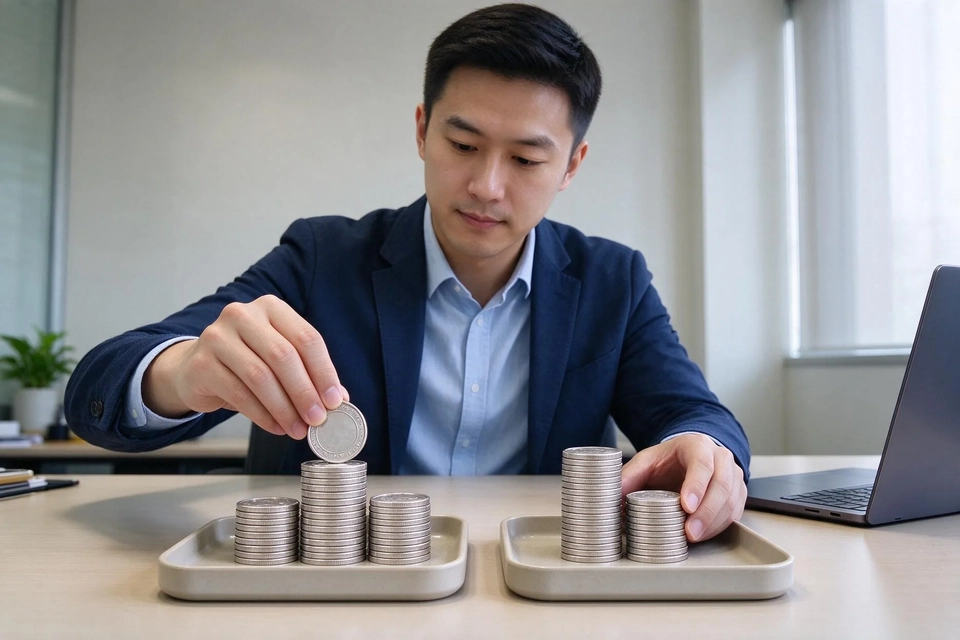
The practical rule: keep investing in being retrieved and cited, but stop budgeting on the assumption that cited pages produce sessions. Fund the work as brand and demand creation, and measure the sessions separately with a target of their own.
What should you change in your reporting this month?
Start with the definition, then the comparison, then the target. A short sequence that a small team can finish inside a month:
- Fix the sample: same questions, same engine, same language, same region, same cadence, so a later report compares like with like.
- Split the citation record into inline placements and list-only placements, and keep retrieved-but-not-visible sources in their own bucket.
- Report "no source found" separately from "data missing", because the first is an outcome and the second is a gap in the tool.
- Attach sessions to the pages that were cited, using analytics rather than the citation tool, and state the window.
- Write one sentence in the report on what moved and what cannot be explained yet.
Does SEO have a future if the answer never sends a click?
This is the question buyers ask most often at the moment, and it deserves a direct answer rather than a defence of the industry.
SEO still has a future, but "SEO" now covers two jobs that used to be one. The first job is being the source an answer relies on: clear structure, facts that can be lifted, a name attached to them, and a page that a machine can read without guessing. The second job is earning a visit once a person has decided they want more than a paragraph.
The first job is growing in importance, which is why best seo singapore discussions have moved from positions to sources. Engines need material to summarise, and they favour pages that state a claim plainly and support it. The second job is getting harder, because the interface no longer reliably points at the source. A business that only ever did the second job by riding on positions in a results list is the one that needs to rethink. A business that has pages worth citing has an asset even when the citation earns no click, because the citation still shapes what the engine says about the category, and about the brand inside it.
What does not follow is that every SEO budget should move to a new channel. What follows is that the measurement has to separate visibility from visits, so the team can see which of the two jobs it is actually buying.
What Topkee does about a citation it cannot see
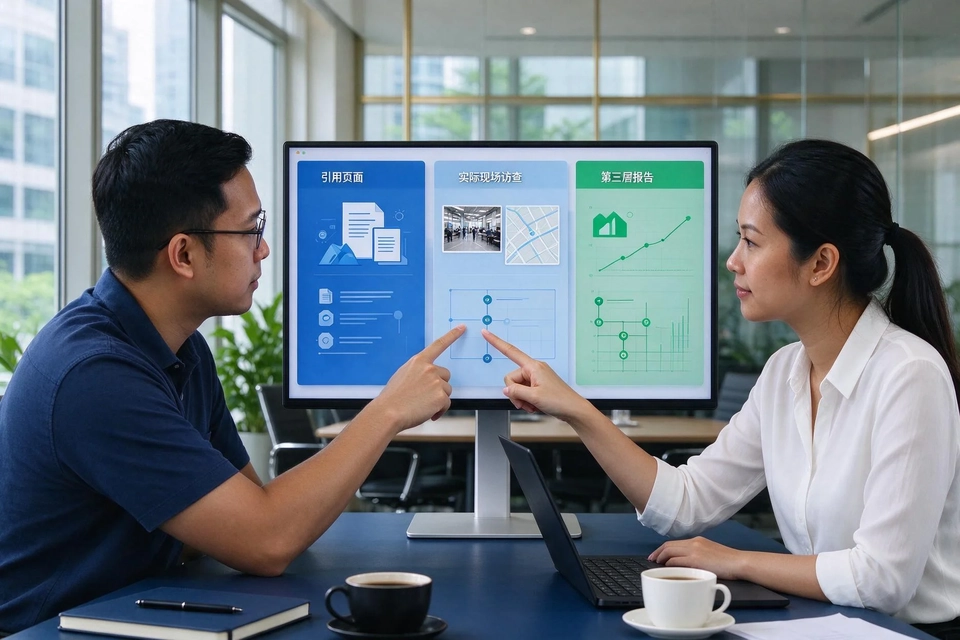
Topkee's GEO service was built around the same distinction this test exposes: being retrieved, being visibly cited in the answer, and receiving a website visit are treated as three separate stages, reported separately rather than collapsed into one number. Its AI browsing analysis covers retrieval sources, cited pages and basic site readability, and keeps retrieved sources distinct from visible citations; an article can be used as a source without producing a session, and the reporting says so. The service's own caution is that a citation summary containing sources marked as not displayed inline must not be presented as a visible citation rate, which is precisely the trap a bottom-placed source list makes easy to fall into.
Two limits belong in the same paragraph. Topkee does not guarantee AI recommendation, fixed exposure, query volume or a citation result, and its sampling runs through APIs, so it does not equal what every consumer sees in the product. Because the company's four-layer performance reporting separates search and AI visibility (brand mention rate, own-site source appearance rate, description accuracy) from visits and engagement, a drop in AI Overview clicks can be shown at the visibility layer instead of being read as a failure of the content work. For Singapore businesses, that matters: the local SEO work behind a strong best seo singapore shortlist is the same work that makes a page citable, and the reporting can now show both without confusing one for the other. That is the sort of question a seo consultant should be able to answer with a report rather than a reassurance, and a best seo singapore recommendation is only useful if it stays honest when the click does not arrive.
What to do next
Pick the pages your citations actually come from, and give each one a session target and a citation target. If you want the reading of a single AI answer, the work on how AI-assisted campaigns convert is a useful companion for the demand side, and the small-business Google Ads write-up shows how a narrow budget gets allocated once traffic assumptions change.
- Read how AI-powered Google Ads raised conversions for brands for the demand side of the same decision.
- Read how small businesses compete with big brands using Google Ads if your budget cannot stretch to a full visibility programme yet.
Then run the split for one month before drawing a conclusion. One month of consistent questions is enough to see whether your citations produce sessions; it is not enough to declare a trend.
FAQ
Is Google moving AI Overview citations to the bottom for everyone?
Not that anyone has confirmed. The placement was observed as a test, reported on 12 November 2026, and the same source noted that an earlier version of the experiment showed the count at the top. Whether it becomes the default is a Google decision that has not been announced.
Do AI Overview citations still send traffic?
Some do, and the amount varies by query and by page. What changes with a bottom-placed source list is how deliberate the click is: a reader who wants the source has to look for it. Treat citations as a visibility signal and measure the sessions separately.
How do I tell a retrieved source from a visible citation?
A visible citation is one a reader could see in the answer, either inline or in the source list the answer displays. A retrieved source is one the engine used to build the answer. Ask your tool to label the two, and check whether it flags sources marked as not displayed inline. An audit that skips this step is measuring something else.
Is SEO still worth paying for in Singapore?
For most businesses with pages worth citing, yes, but as two purchases rather than one: work that makes a page retrievable and citable, and work that turns a visit into an enquiry. A shortlist built on a single metric, such as raw traffic, will misprice both.
What should I ask an agency for before signing?
Ask which metric they report, how they define a citation, and whether they can show retrieved sources apart from visible ones. One who cannot say what their report leaves out is answering a different question. Ask what they do not guarantee. An agency that answers all four plainly is easier to hold to a target than one that promises ranking.
Sources
- "Google Placing Source Icons At Bottom Of AI Overviews", Search Engine Roundtable, 12 November 2026. https://www.seroundtable.com/google-ai-overview-source-icons-bottom-42519.html
